December 21, 2025
You’re Not Bad at Screen Time — You’re Just Exhausted
If you keep giving in at 6:45 p.m., it’s not a character flaw—it’s
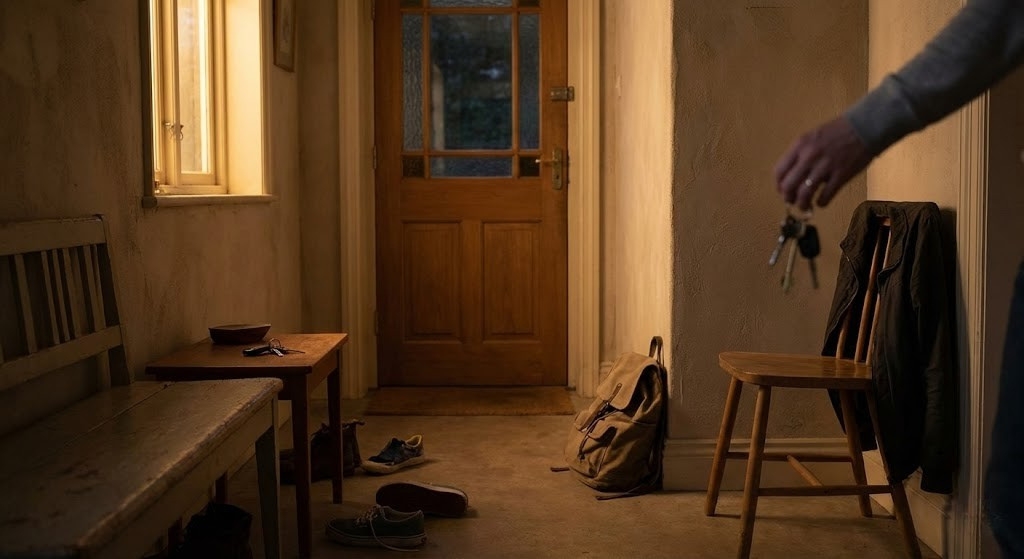
There’s a moment most parents don’t talk about. It’s not the meltdown. It’s not the yelling. It’s the quiet pause before you give in. The moment you think: “Just take the tablet.” Not because you don’t care. Not because you don’t know better. But because you’ve already made a thousand decisions today — and you have nothing left. If that sounds familiar, let me say this clearly: You are not bad at screen time. You are exhausted.
Exhaustion changes the math
By the time evening rolls around, most parents are operating on fumes. You’ve answered messages all day, negotiated meals, solved problems no one will ever thank you for, and tried to stay patient while doing all of it. So when your child asks for “just five more minutes,” it’s not a fair fight. Not because they’re manipulative. Because your brain is tired. Decision fatigue is real. And screens thrive on tired brains.
Why advice rarely works at 7:30 p.m.
Most screen-time advice assumes you’re: Well-rested. Calm. Consistent. Able to hold firm boundaries at the hardest moment of the day. That’s not parenting. That’s a fantasy. The problem isn’t that you don’t know what to do. It’s that knowing and doing require energy — and energy is the first thing to go. That’s why guilt creeps in. You tell yourself: “I should be stricter.” “Other parents handle this better.” “Why can’t I just follow through?” But guilt doesn’t restore energy. It drains it.
The hidden truth about screen battles
Here’s the quiet truth no one says out loud: Screen struggles aren’t about discipline. They’re about capacity. When parents are depleted, systems collapse. When kids are overstimulated, transitions hurt. So everyone pushes harder — and everyone loses. What actually helps isn’t more rules. It’s fewer decisions.
Why systems beat willpower
The families who find calm don’t have more self-control. They have fewer moments that require it. They don’t rely on speeches or reminders. They rely on routines that run even when everyone’s tired. Screens live in predictable places. Evenings follow familiar rhythms. Boundaries exist before emotions spike. Not because anyone is perfect. Because the system does the work.
What this isn’t about
This isn’t about banning screens, parenting “better,” or turning your home into a device-free monastery. Screens aren’t the enemy. Chaos is. And chaos thrives when everyone is exhausted.
What actually changes things
Real change starts small. Not with deleting apps. Not with dramatic family meetings. But with one quiet shift: Make life easier for the tired version of you. The parent who shows up at 6:45 p.m. The one who’s done their best already. The one who just wants the house to feel calm again. That version of you deserves support — not shame.
If you needed to hear one thing today
Here it is: You don’t need to try harder. You need fewer decisions. You don’t need more control. You need more structure that holds when you can’t. And you don’t need to feel guilty for being tired. You need systems that work because you’re human. This isn’t about winning screen time. It’s about protecting connection — especially on the hardest nights. And that starts with compassion. For your kids. And for yourself. If this resonated, you’re not alone. I write about calm routines, family systems, and raising present kids in a world designed to steal attention. You can start here: The Screen Switch — a 30-day system to end device battles without guilt or power struggles. Progress beats perfection — every single school night.
This post is originally published on annawellsbooks.com. Syndicated copies may appear on Medium.